
Le radio deve mettere in campo una proposta unica ed esclusiva
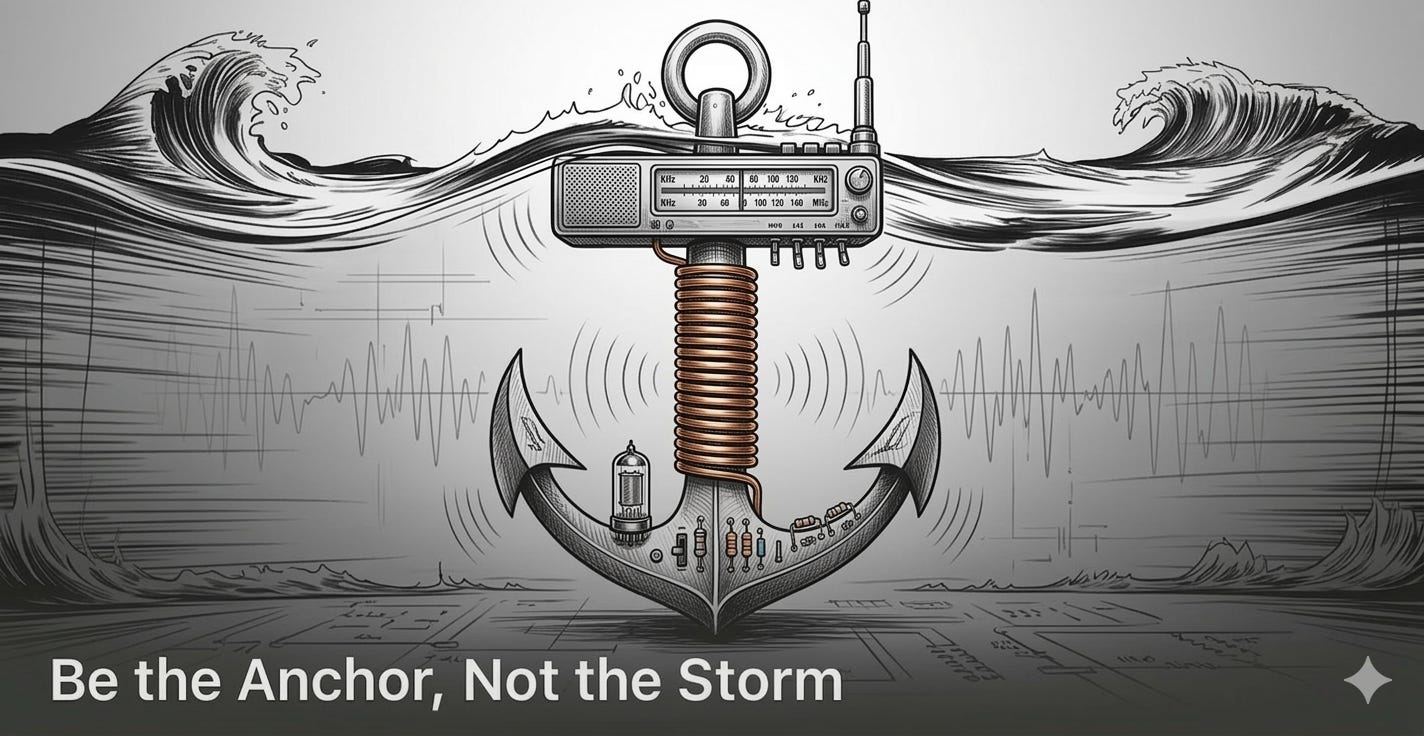
Quindi non essere solo in balia di onde e contenuti altrui, la cassa di risonanza del web.
Proporre un contenuto esclusivo, interessante ed utile, originale.
La radio è leader nell’ecosistema di offerta musicale, il grande valore della scelta umana e non da algoritmo.
Scegliere di non scegliere (nell’oceano dell’offerta musicale), e affidarsi ad altri che scelgono per continuare a sorprenderci, meravgliarci.
🇬🇧 English version below
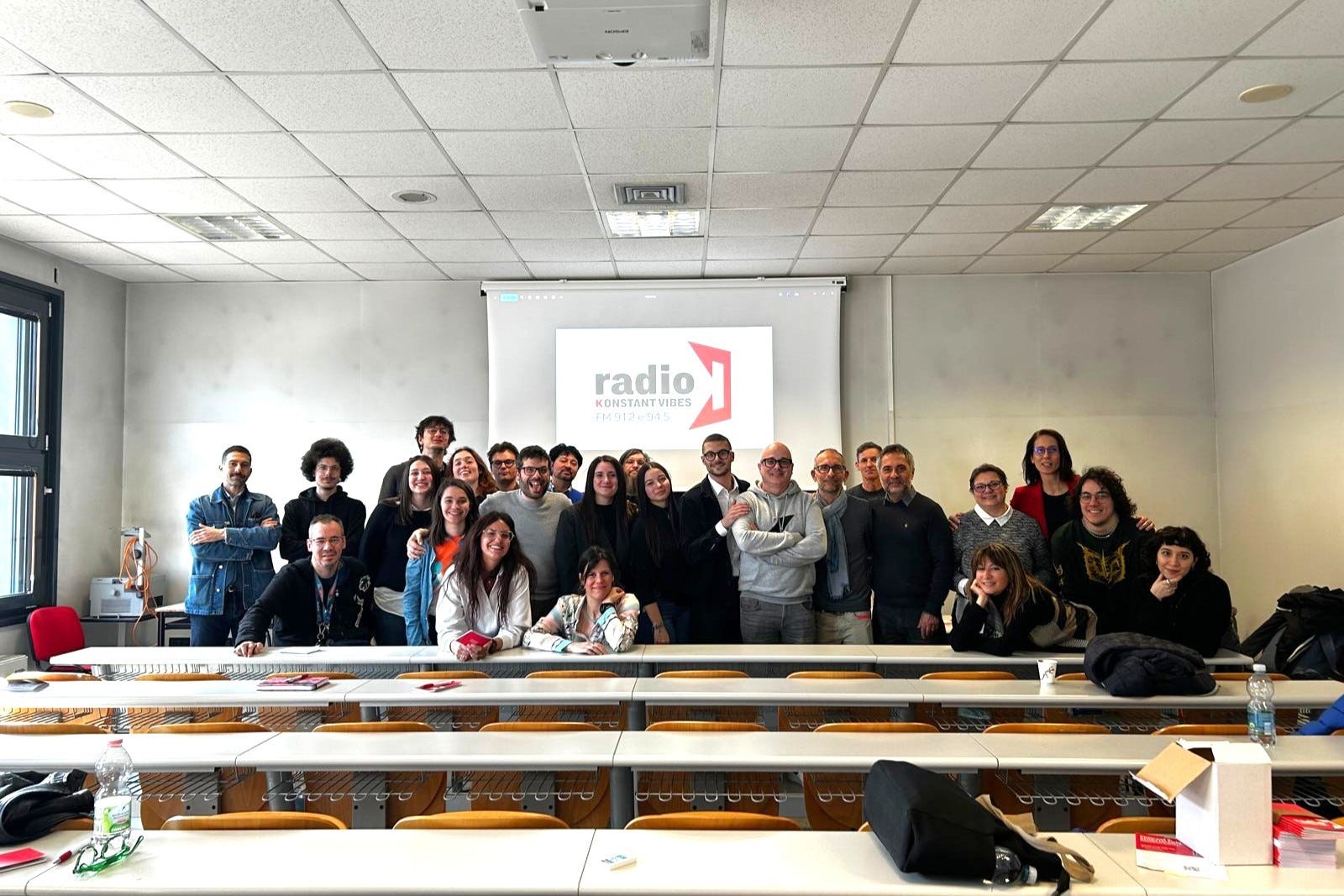
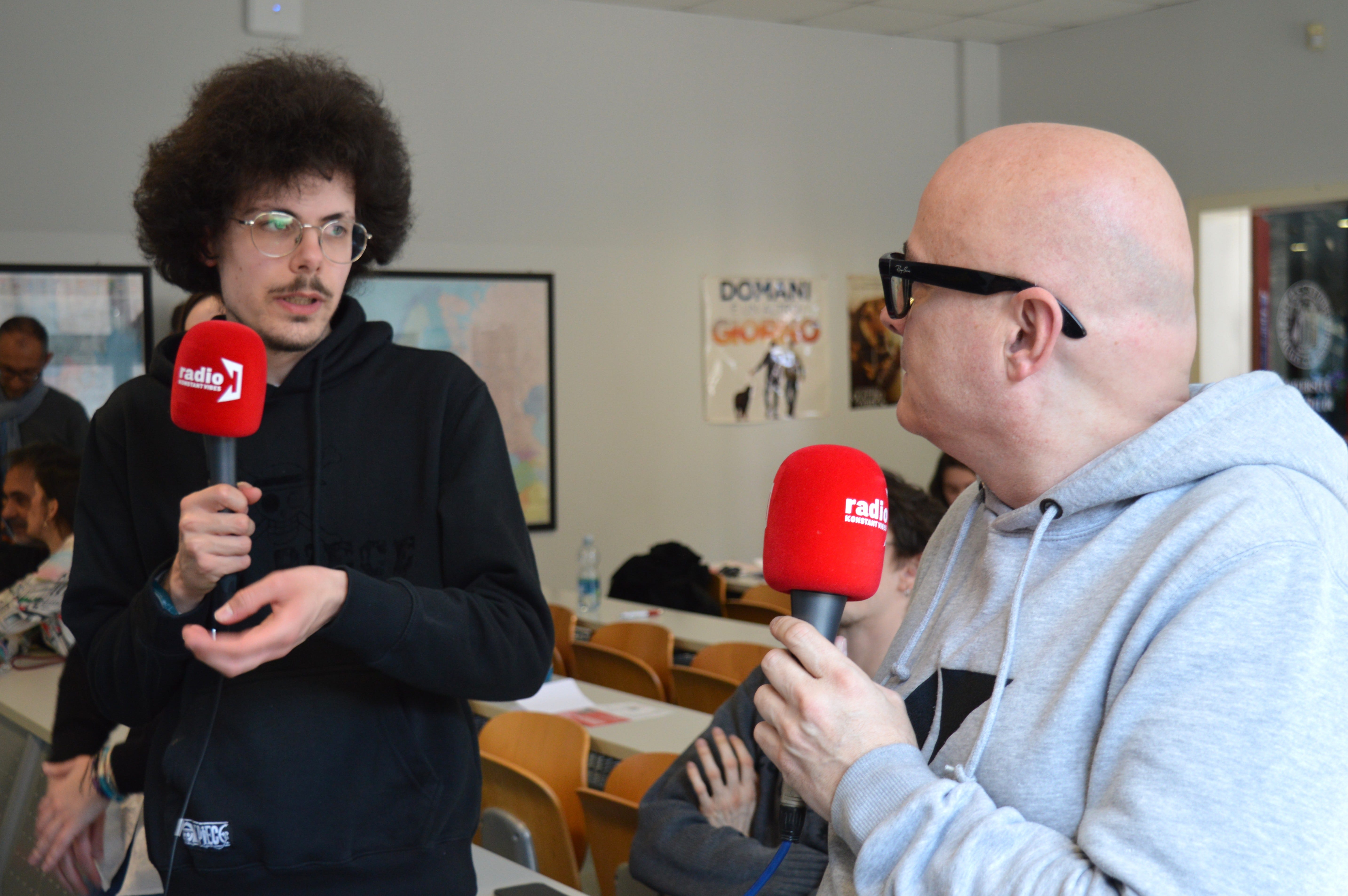
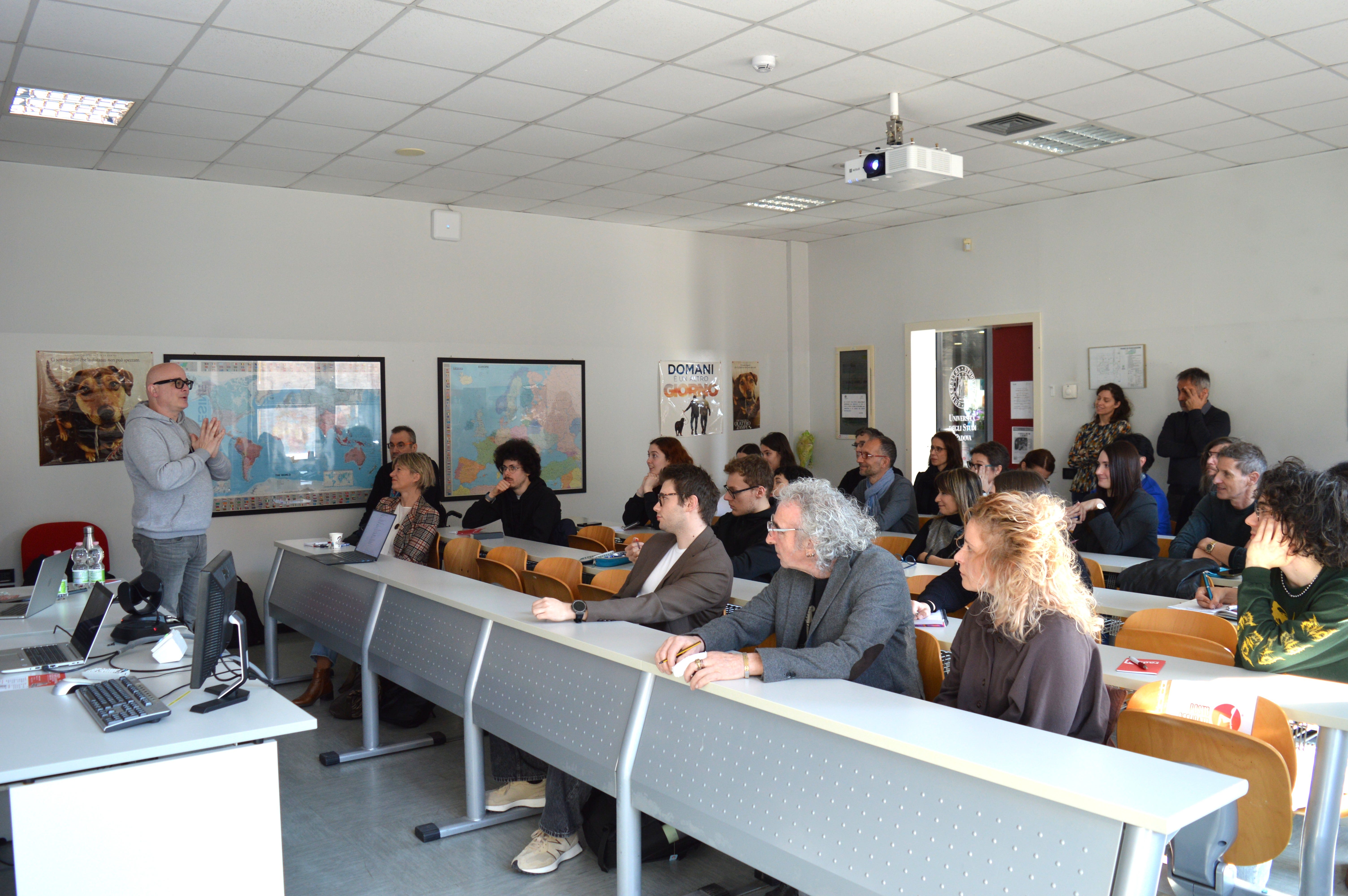
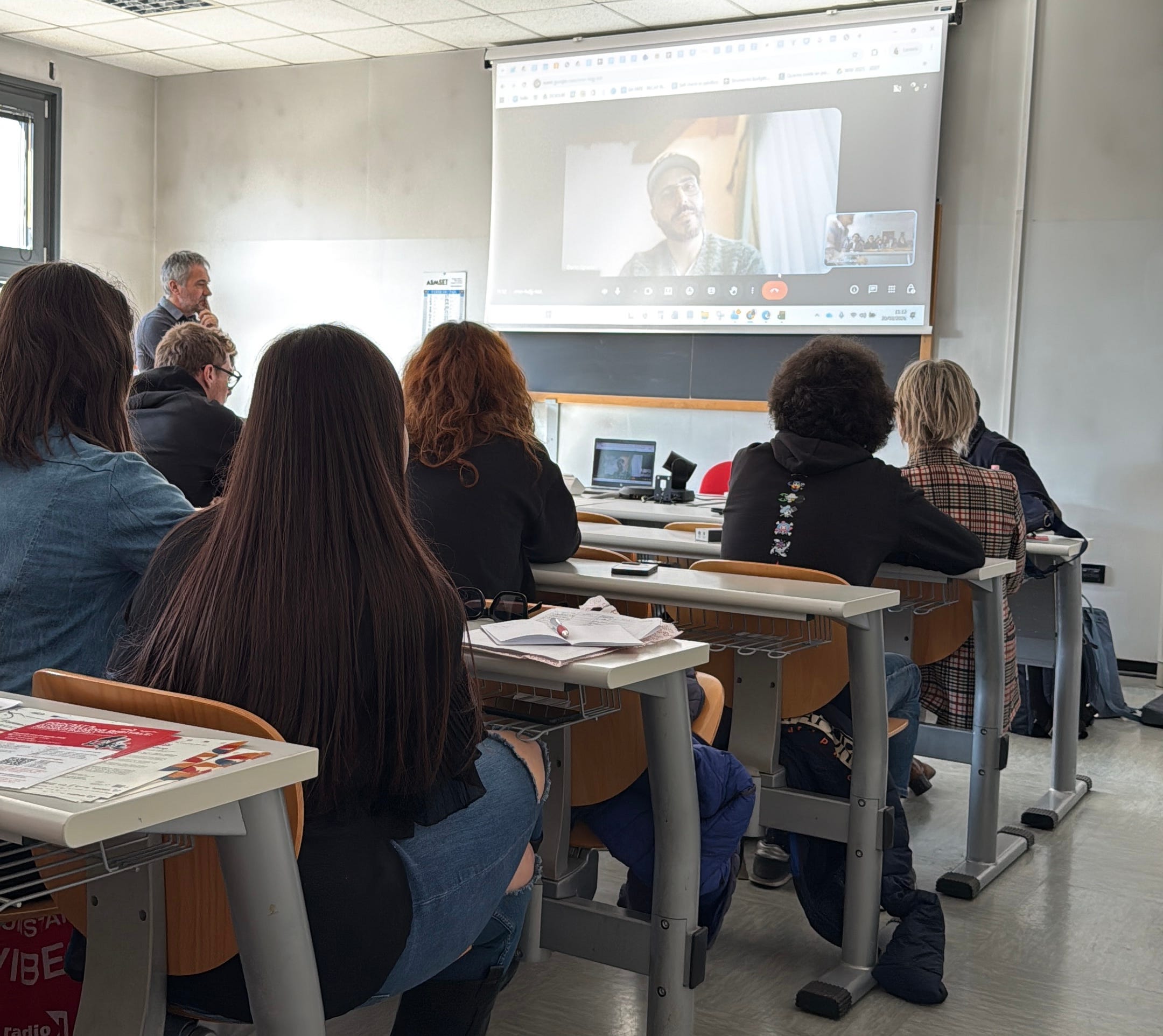
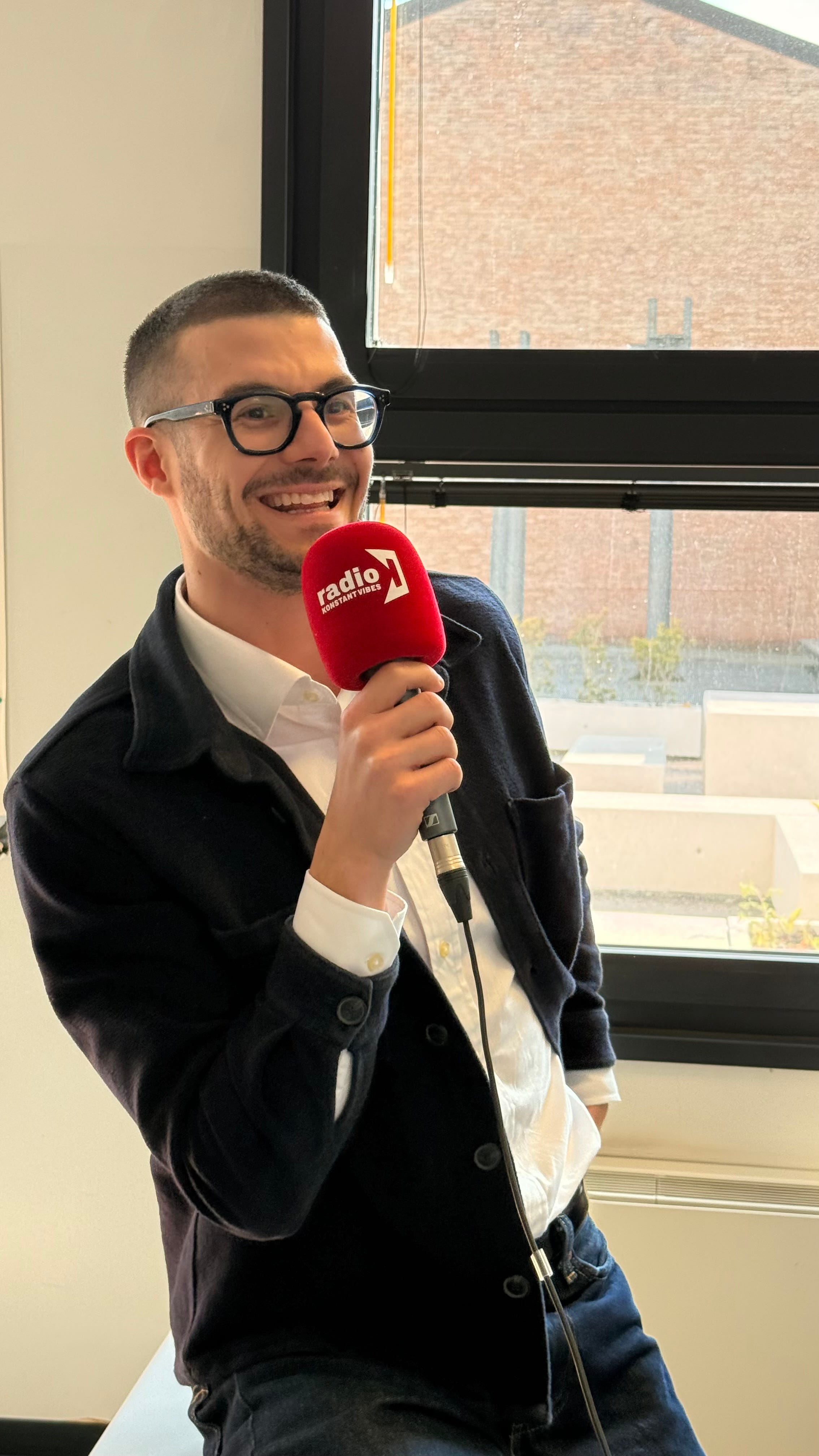
Radio Kappa ha organizzato presso il Polo universitario di Rovigo uno dei suoi workshop sulla Radio a cui ho partecipato come relatore insieme all’amico e collega Dario Spada, conduttore e producer di Radio 105 e a Tommaso Corso, Marketing e Social Manager.
Ecco di cosa ho parlato.
Intanto in questa prima parte (ne seguiranno altre) vorrei partire da un’idea semplice, quasi banale, ma che spesso dimentichiamo: la radio non è nata per rincorrere ciò che già esiste altrove.
La radio è nata per creare. Per proporre. magari anche per sorprendere, ma soprattutto per essere utile e interessante. E allora se la radio diventa solo la cassa di risonanza del web, o di altre fonti smette di essere radio.
La Radio è la tecnologia più antica per il futuro, fortemente contemporanea.
Innanzitutto la Radio è libera, può permettersi di dire quello che vuole senza incorrere in ban.
La Radio ha un’importanza fondamentale in caso di emergenze, come già successo di recente in Spagna.
Inoltre la Radio è leggera, raggiunge posti impensabili e non impegna lo sguardo o le attività che si stanno svolgendo.
La Radio è vicina al territorio, perché parla, promuove e pubblicizza eventi e attività locali che non possono naturalmente trovare spazio in contesti nazionali.
E, non da ultimo, la radio è Gratis.
Tuttavia la Radio deve continuare a rinnovarsi, migliorare, evitare gli errori che la relegano ad essere eco di altri media, specie nella proposta dei contenuti.
Negli ultimi anni abbiamo assistito a un fenomeno curioso:
Il web detta i trend.
I social dettano i tempi.
Le chat dettano i contenuti.
E molti programmi radiofonici, invece di guidare, si limitano a inseguire.
Si leggono messaggi WhatsApp come se fossero il contenuto. si commentano meme come se fossero notizie, si rincorrono e riportano argomenti già virali altrove.
Ma se il pubblico ha già visto, già letto, già ascoltato…
Perché dovrebbe venire da noi?
Il ruolo del conduttore oggi
Un conduttore non è un lettore di messaggi, non è un amplificatore di contenuti altrui, non è un algoritmo umano.
Un conduttore è, o dovrebbe essere, un autore, qualcuno che porta un punto di vista, un’esperienza, un’intuizione, qualcuno che crea valore, non che lo ricicla.
La radio ha bisogno di voci che sappiano dire:
“Questo non l’avete ancora sentito.”
“Questo non lo trovate su TikTok.”
“Questo è il mio contributo, il mio sguardo, la mia storia.”
In poche parole, la radio deve tornare a essere fonte, ad essere un punto di approdo e non solo essere in balia delle onde, di contenuti altrui, deve riappropriarsi della sua autorevolezza, che le e’ sempre appartenuta fin dalla sua nascita.
Ritornare ad essere la creatrice di contenuti, di tendenze.
Per essere rilevanti, la radio, tramite i suoi conduttori, deve tornare a essere origine, non eco.
Proporre contenuti esclusivi
Un conduttore che racconta un aneddoto personale, un incontro, un dubbio, un pensiero, una storia vissutasta già facendo qualcosa che nessun social può replicare.Costruire utilita’
Il pubblico cerca intrattenimento autorevole, ma anche orientamento, contesto, strumenti.
Un conduttore che spiega, approfondisce, collega i puntini anche con il mondo della musica diventa un punto di riferimento.Coltivare la propria identita’
La radio vive di personalità, di stile, di tono, di ritmo, di quella cosa invisibile che fa dire all’ascoltatore: “Lo riconoscerei anche al buio.”
Tutto cio’ e’ urgente, perché oggi il pubblico ha infinite alternative e sceglie ciò che è autentico, umano, irripetibile.
La radio ha un vantaggio enorme: la sua intimità, ma anche la sua immediatezza, la sua capacità di creare relazione. Ed e’ gratis!
Ma questa relazione esiste solo se chi parla ha davvero qualcosa da dire.
La Musica: il super potere della Radio
E poi entra in gioco un elemento che spesso diamo per scontato: la musica.
La radio è ancora oggi leader nell’ecosistema musicale, non perché abbia o debba avere più brani, non perché abbia più tecnologia. Ma perché ha più umanità.
Anche nei processi automatizzati, nelle scalette giustamente organizzate (il mito del ‘mi portavo i dischi da casa’ e ‘suono quello che mi va’ e’ controproducente. Persino dietro Jack FM ‘We play what we like’ c’e’ uno studio accurato e niente e’ lasciato al caso), c’e’ il calore umano che decide, imposta.
Gli algoritmi propongono.
La radio sceglie.
Gli algoritmi ottimizzano.
La radio emoziona.
Gli algoritmi ti danno ciò che già ti piace.
La radio ti fa scoprire ciò che non sapevi di amare.
In un oceano infinito di musica, dove tutto è disponibile sempre, la vera libertà non è scegliere.
La vera libertà è scegliere di non scegliere.
È affidarsi a qualcuno che seleziona per te, che ti guida, che ti accompagna.
È dire:“Fammi compagnia, fammi scoprire, fammi sorprendere.”
Questo è il valore editoriale della radio ed è ciò che nessuna piattaforma può replicare.
La Radio del futuro sarà quella che offre ciò che il web non può dare: una voce che pensa, una mente che seleziona, un cuore che suona.
Perché la radio, quando è fatta bene, non segue il mondo.
Lo anticipa.
🇬🇧
Radio must put forward a unique and exclusive proposition.
It cannot simply drift in the currents of other people’s content, nor become the echo chamber of the web.
It must offer content that is exclusive, interesting, useful, and original.
Radio is still the leader in the music‑offering ecosystem, and its greatest strength lies in human choice, not algorithmic selection.
In an ocean of infinite musical options, choosing not to choose, and trusting someone else to choose for us, is what allows us to keep being surprised, moved, and amazed.
Radio Kappa organized one of its workshops on Radio at the University Hub of Rovigo, where I took part as a speaker together with my friend and colleague Dario Spada, host and producer at Radio 105, and Tommaso Corso, Marketing and Social Manager.
Here’s what I talked about.
I’d like to start from a simple idea, almost obvious, yet often forgotten: radio was not born to chase what already exists elsewhere.
Radio was born to create, to propose, sometimes to surprise, but above all, to be useful and interesting.
And so, if radio becomes nothing more than the loudspeaker of the web or of other sources, it stops being radio.
Radio is the oldest technology of the future, and profoundly contemporary.
First of all, radio is free: it can say what it wants without risking bans.
Radio plays a crucial role in emergencies, as we’ve recently seen in Spain.
It is also light: it reaches unexpected places and doesn’t demand your eyes or interrupt whatever you’re doing.
Radio stays close to the community, because it speaks about, promotes, and advertises local events and activities that naturally can’t find space in national contexts.
And, not least, radio is (costs) free.
However, radio must keep evolving, improving, and avoiding the mistakes that reduce it to merely echoing other media, especially when it comes to content.
In recent years, we’ve witnessed a curious phenomenon:
The web dictates the trends.
Social media dictates the timing.
Chats dictate the content.
And many radio shows, instead of leading, simply follow.
They read WhatsApp messages as if that were the content.
They comment on memes as if they were news.
They chase and repeat topics that have already gone viral elsewhere.
But if the audience has already seen it, already read it, already heard it…
Why should they come to us?
The role of the presenter today
A presenter is not a message reader.
Not an amplifier of someone else’s content.
Not a human algorithm.
A presenter is — or should be — an author: someone who brings a point of view, an experience, an intuition. Someone who creates value, not someone who recycles it.
Radio needs voices capable of saying:
“This is something you haven’t heard yet.”
“You won’t find this on TikTok.”
“This is my contribution, my perspective, my story.”
In short, radio must return to being a source, a place to arrive, not something tossed around by the waves of other people’s content.
It must reclaim the authority that has belonged to it since the day it was born, it must return to being a creator of content and trends.
To remain relevant, radio — through its presenters — must return to being the origin, not the echo.
Proposing exclusive content
A presenter who shares a personal anecdote, an encounter, a doubt, a thought, a lived story is already doing something no social platform can replicate.
Building usefulness
The audience seeks authoritative entertainment, but also orientation, context, tools. A presenter who explains, deepens, connects the dots — even with the world of music becomes a point of reference.
Cultivating one’s identity
Radio lives on personality, style, tone, rhythm —
on that invisible quality that makes the listener say:
“I would recognize them even in the dark.”
All this is urgent, because today the audience has infinite alternatives
and chooses what is authentic, human, unrepeatable.
Radio has a huge advantage: its intimacy, its immediacy, its ability to create a relationship.
And it’s free.
But this relationship exists only if the person speaking truly has something to say.
Music: Radio’s superpower
And then there’s an element we often take for granted: music.
Radio is still the leader in the music ecosystem not because it has (or needs) more tracks, not because it has more technology, but because it has more humanity.
Even in automated processes, in well‑structured playlists (the myth of “I brought my records from home” or “I play whatever I feel like” is counterproductive — even behind Jack FM’s “We play what we like” there is careful research and nothing is left to chance), there is human warmth deciding and shaping the flow.
Algorithms propose.
Radio chooses.
Algorithms analyze data.
Radio analyzes people.
Algorithms optimize.
Radio moves you.
Algorithms give you what you already like.
Radio helps you discover what you didn’t know you loved.
In an infinite ocean of music, where everything is always available, true freedom is not choosing.
True freedom is choosing not to choose.
It is trusting someone who selects for you, who guides you, who accompanies you.
It is saying: “Keep me company, let me discover, let me be surprised.”
This is radio’s editorial value and it is something no platform can replicate.
The radio of the future will be the one that offers what the web cannot: a voice that thinks, a mind that curates, a heart that plays.
Because radio, when done well, does not follow the world.
It anticipates it.